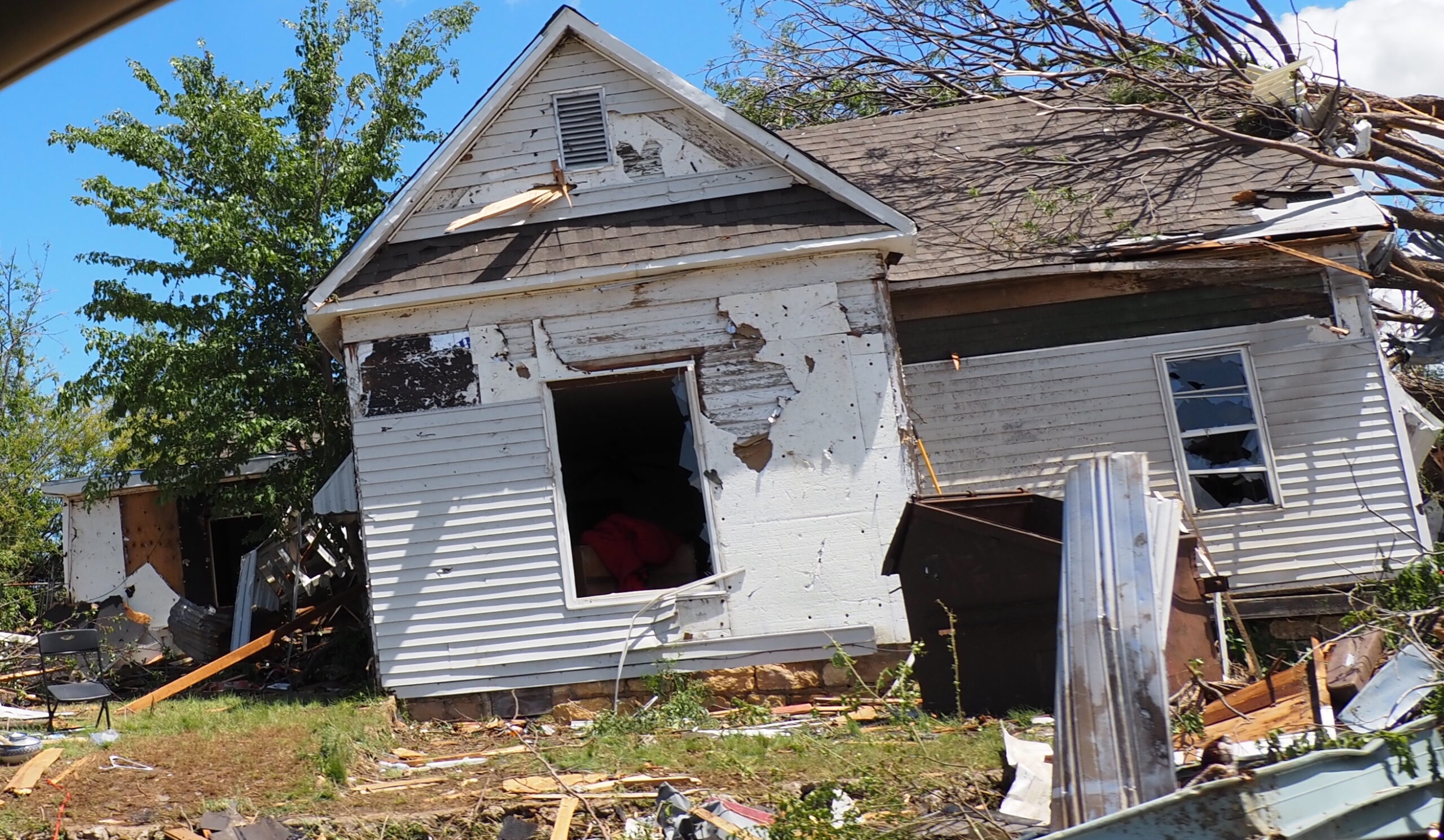
Many homeowners across Texas are preparing for noticeable increases in homeowners insurance premiums throughout 2025. The statewide trend is influenced by storm losses, rising construction costs, insurer risk adjustments, and economic conditions that directly affect insurance companies. If you live in Houston, Dallas, San Antonio, Austin, Fort Worth, Corpus Christi, Lubbock, McAllen, or the Gulf Coast, these cost increases may already be appearing in renewal notices.
This guide explains the reasons behind the rising premiums, expected trends in 2025, and the steps homeowners can take to help manage their insurance costs while staying protected. It also includes a resource section with Texas insurance claim lawyers who assist homeowners facing delayed, denied, or underpaid claims.
The goal is to provide clear, balanced, trustworthy information so that homeowners can make confident decisions.
Why Homeowners Insurance Rates Are Increasing in Texas in 2025

1. Storm and Weather Risk Across the State
Texas experiences a wide range of severe weather patterns including hailstorms, tornadoes, hurricanes, flooding, and extreme heat events. Storm damage claims have steadily increased over the past decade. Even in years with fewer storms, insurers maintain higher premiums to offset long-term patterns of claim severity.
2. High Hail and Wind Claim Costs
Texas consistently ranks among the top states for hail damage claims. These events can damage roofs, windows, siding, and outdoor structures. Because hailstorms can affect entire neighborhoods, insurers must prepare for large clusters of claims at once.
3. Rising Home Repair and Rebuilding Costs
Rebuilding costs have increased due to higher prices for roofing shingles, lumber, cement, electrical materials, skilled labor, and transportation. When repair costs rise, the insurance policies that fund those repairs must rise as well.
4. Increased Reinsurance Costs
Insurance companies purchase reinsurance to protect against large loss events. The price of reinsurance has increased globally due to severe weather and disaster trends. Since insurers must pay more for this protection, they adjust homeowner premiums to balance expenditure.
5. Adjustments in Underwriting and Risk Assessment
Insurers are now looking more closely at roof age, claim history, property upgrades, and geographic wind exposure zones. These factors influence both eligibility and pricing.
How Much Are Premiums Expected to Increase in 2025?
Premium changes vary by location and insurer, but filings and market indicators show average increases in the following ranges:
| Insurance Company | Estimated Increase | Notes |
|---|---|---|
| State Farm Texas | 6 percent to 12 percent | Roof age and region affect rate |
| Allstate Texas | 9 percent to 14 percent | Higher increases in hail-prone counties |
| Farmers Insurance | 7 percent to 15 percent | Emphasis on multi-policy discounts |
| USAA (eligible households) | 4 percent to 9 percent | Varies by claims region |
| Progressive Home | 8 percent to 16 percent | Strong weather sensitivity in coastal areas |
Cities and Counties Seeing Higher Increases
- Dallas County
- Tarrant County
- Harris County
- Fort Bend County
- Williamson and Travis Counties
- Nueces County (coastal area)
Coastal counties along the Gulf tend to experience higher hurricane-related premiums and windstorm deductibles.
Policy Changes Homeowners Should Expect in 2025

1. Roof Coverage Rules
For older roofs, some insurers are changing from replacement cost coverage to actual cash value coverage. This reduces the payout on claims for roof repairs. Homeowners with roofs older than 12–15 years are most affected.
2. Windstorm and Hail Deductible Adjustments
More policies now include percentage-based deductibles such as 1 percent, 2 percent, or higher depending on home value. This affects out-of-pocket costs during storm repairs.
3. More Detailed Claim Inspections
Insurers are reviewing roof damage more strictly. Claims may be denied if damage appears to be caused by age, wear, or previous repairs rather than a storm event.
How Texas Homeowners Can Help Manage Costs
1. Consider Impact-Resistant Roofing Materials
Class 3 or Class 4 shingles can reduce potential damage and may qualify for premium discounts.
2. Request a Wind Mitigation Inspection
Some homeowners qualify for insurance discounts based on roof design, home structure, and protective features. Documentation matters.
3. Bundle Policies for Discount Opportunities
Home and auto bundling can reduce total insurance costs by 8 to 18 percent.
4. Compare Quotes and Revisit Coverage Every Year
The Texas insurance market is competitive. Annual comparison helps ensure you are not overpaying based on outdated underwriting factors.
5. Increase Deductibles Carefully
Increasing deductibles can reduce premiums but requires financial preparation for emergency repairs.
When to Contact a Lawyer About a Homeowners Insurance Claim
Homeowners may need legal support when:
- A claim is denied without clear explanation
- A claim payout is significantly lower than the repair estimate
- The insurer delays communication or documentation
- Signs of bad faith are present
Bad faith refers to situations where an insurer fails to act honestly or fairly in processing a claim.
Recommended Texas Homeowners Insurance Lawyers (with Website Links)

These attorneys focus on storm damage claims, underpayment disputes, and insurance bad faith in Texas:
| Lawyer / Firm | Location | Website |
|---|---|---|
| The Voss Law Firm – Property Damage Claims | The Woodlands / Statewide | https://www.vosslawfirm.com/practice_areas/insurance-claims.cfm |
| Hossley & Embry – Insurance Claim Disputes | Tyler / Statewide | https://www.hossleyembry.com/property-insurance-claims/ |
| Shrader & Associates – Bad Faith Insurance Claims | Houston | https://shraderlaw.com/insurance-bad-faith/ |
| Kherkher Garcia LLP – Storm and Wind Damage Claims | Houston / Statewide | https://www.kherkhergarcia.com/property-insurance-claims/ |
These firms assist with:
- Claim settlement negotiation
- Damage estimate reassessment
- Denial appeal
- Filing litigation when necessary
Many operate on contingency fees, meaning homeowners do not pay unless compensation is recovered.
The homeowners insurance market in Texas continues to evolve as insurers adjust to increasing storm risk and rising rebuilding costs. Homeowners can reduce premium impact by improving home durability, staying informed about policy changes, and comparing options regularly. If a claim is denied or underpaid, legal support can help ensure fair resolution.
Staying prepared and informed helps protect both your home and financial stability.
📚 You May Also Like
💡Homeowners Insurance Rate Increases in Louisiana 2025: A Clear Guide for Homeowners
Learn which Louisiana-based attorneys provide the strongest legal representation and highest claim success rates this year.
🚗 Homeowners Insurance Rate Increases in Oklahoma 2025: What Homeowners Should Expect
Explore top-rated Oklahoma attorneys helping victims maximize compensation for House damage and medical expenses.
⚖️ Homeowners Insurance Rate Increases 2025: What U.S. Homeowners Need to Know
Discover the pros and cons of managing your Home insurance claim independently versus hiring a legal expert.
🔥 Homeowners Insurance Rate Increases in Florida 2025: What Every Homeowner Needs to Know
See how Florida ranks and what factors drive up insurance rates across the country.
2 thoughts on “Homeowners Insurance Rate Increases in Texas 2025: A Practical Guide for Homeowners”