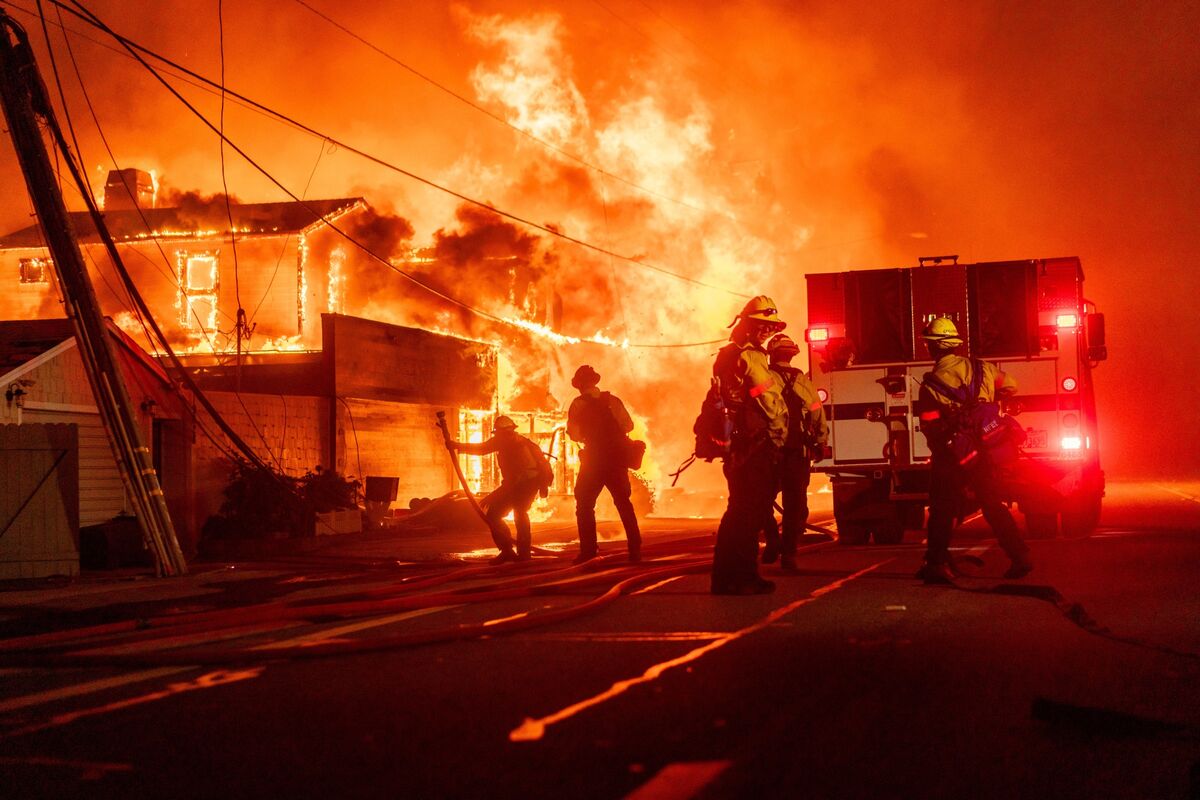
Home Insurance Rates 2025 are expected to rise faster than any recent year as insurers respond to intensifying wildfire risk across multiple regions of the United States. Once considered seasonal threats, wildfires are now a year-round hazard, with fires emerging earlier in spring and extending late into fall. Insurance companies are recalculating risk profiles, withdrawing from high-exposure areas, and increasing premiums at unprecedented rates.
This shift is especially visible in California, Oregon, Washington, Colorado, Arizona, Texas, and parts of Illinois, where urban-wildland interface zones are expanding rapidly. According to insurers and climate-risk analysts, more than 10 million Americans now live in areas categorized as moderate to extreme wildfire-risk zones.
Consumers report bills rising “faster than crown fires.” Many homeowners are struggling to keep policies in place, while others are receiving non-renewal notices, leaving them to search high-risk state insurance pools with limited benefits and higher deductibles.
Why Wildfire Risk Is Increasing Now
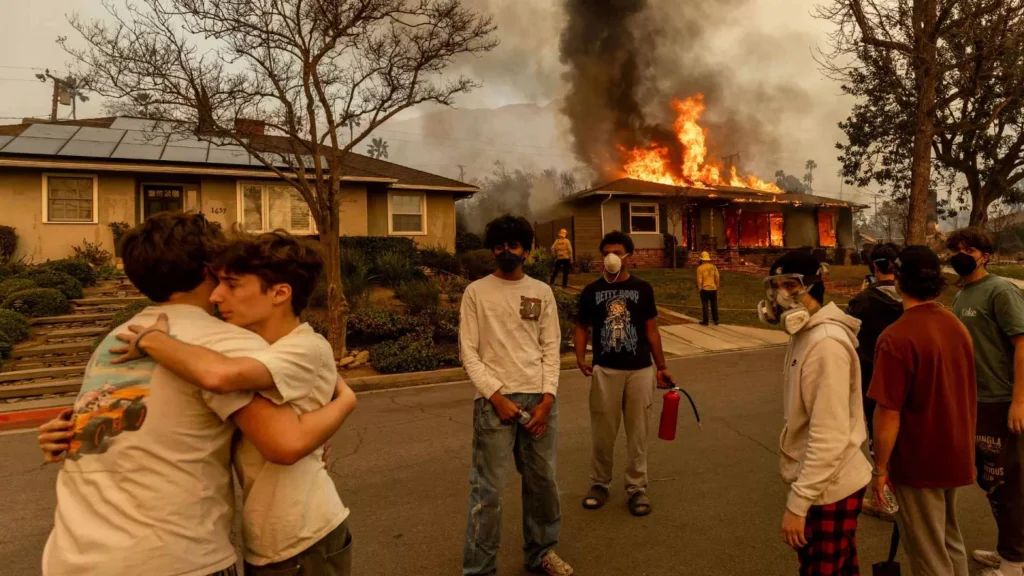
While wildfires have always been a natural component of western ecosystems, several recent developments have dramatically increased the likelihood and severity of destructive burns:
| Core Driver | Impact |
|---|---|
| Rising temperatures and prolonged drought | Vegetation becomes fuel, creating hotter and faster-moving fires |
| More development in wildland-urban interfaces | Homes are built closer to burn zones |
| Aging electrical infrastructure and powerline failures | Sparks ignite dry landscapes during wind events |
| Decline in prescribed burns and fuel-management programs | Greater accumulation of combustible brush |
What once were seasonal burn windows are now continuous risk periods, requiring insurers to model exposure year-round instead of only during the summer.
Why Wildfire Risk Is Increasing Now
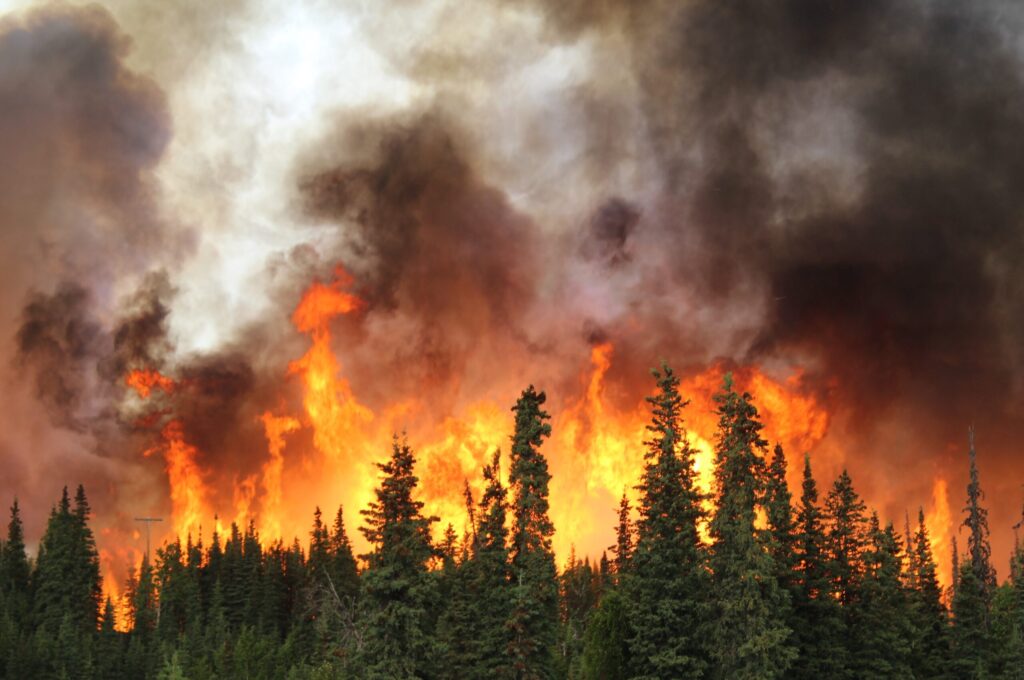
While wildfires have always been a natural component of western ecosystems, several recent developments have dramatically increased the likelihood and severity of destructive burns:
| Core Driver | Impact |
|---|---|
| Rising temperatures and prolonged drought | Vegetation becomes fuel, creating hotter and faster-moving fires |
| More development in wildland-urban interfaces | Homes are built closer to burn zones |
| Aging electrical infrastructure and powerline failures | Sparks ignite dry landscapes during wind events |
| Decline in prescribed burns and fuel-management programs | Greater accumulation of combustible brush |
What once were seasonal burn windows are now continuous risk periods, requiring insurers to model exposure year-round instead of only during the summer.
The Role of New Wildfire Modeling Technology
On November 10, risk analytics firm FutureProof Technologies announced the acquisition of Terrafuse AI, a company specializing in climate and wildfire risk modeling. The move signals an industry shift toward hyper-localized, event-forecasting risk pricing that insurers can apply at the individual property parcel level.
Terrafuse AI’s modeling engine includes:
- Satellite burn-probability mapping
- Predictive meteorological simulations
- Cyber-physical wildfire behavior analytics (referred to internally as “Quantum” wildfire modeling)
These tools allow insurers to evaluate:
- Roof composition
- Surrounding vegetation density
- Slope elevation
- Road access for emergency response
- Distance to fire department stations
This level of data is increasingly used to justify policy denials, premium increases, and property-level risk tiering.
Legislative Tensions: Illinois Case Study
On November 8, the Illinois legislature failed to pass a highly debated insurance rate-scrutiny bill, which would have required insurers to justify rate hikes to state regulators. The issue gained attention due to State Farm, headquartered in Bloomington, Illinois, which has been reducing exposure in wildfire-risk regions outside the state.
Critics argue that states are not moving fast enough to protect policyholders from excessive cost burdens. Insurer groups counter that regulation does not reduce underlying wildfire risk, and stricter controls could cause more insurers to exit markets entirely.
How Home Insurance Rates 2025 Are Rising Across the U.S.

The projected increases for Home Insurance Rates 2025 vary significantly across states:
| State / Region | Projected 2025 Increase | Key Factor |
|---|---|---|
| California | 30–110% | Insurer withdrawals and burn-risk maps |
| Oregon & Washington | 25–70% | Dense forest coverage near housing zones |
| Colorado | 22–85% | Rapid suburban expansion into foothill zones |
| Arizona & Nevada | 18–65% | Desert-brush ignition risk and wind spread |
| Texas (Hill Country / Panhandle) | 15–60% | Grassland fast-spread ignition cycles |
| Illinois & Midwest | 10–30% | Secondary effects from carrier restructuring |
Consumers in urban-wildland interface neighborhoods face the steepest cost changes, especially communities with a mix of dense vegetation and difficult-to-access topography.
Homeowners Face Non-Renewals and Policy Reductions

Beyond rising Home Insurance Rates 2025, many homeowners are encountering:
- Policy non-renewals
- Forced transition to state-run “last-resort” insurance pools
- New wildfire surcharges
- Increased deductibles and reduced coverage limits
For some households, monthly premiums now exceed mortgage payments, forcing decisions about whether to:
- Pay higher insurance costs
- Change insurers
- Sell the property
- Or go uninsured (which is financially dangerous)
Mitigation Can Save 10–20%, but Not for Everyone
Brush-clearing incentives are being promoted by state agencies and some insurers. Actions that may reduce premiums include:
- Clearing vegetation within 30–100 feet of homes
- Installing ember-resistant vent covers
- Upgrading to fire-resistant roofing (Class A materials)
- Removing wood fences attached to homes
- Creating emergency access routes for fire vehicles
These measures can reduce premiums 10–20% in qualifying regions.
However, in high-risk zones, even fully mitigated homes are still being denied coverage.
The reality is that mitigation reduces damage probability, not total exposure, and insurers are pricing risk on total exposure levels, not homeowner preparation alone.
What Homeowners Should Do Before Peak Wildfire Season Ends November 30
- Review your policy renewal date. Do not assume your policy renews automatically.
- Request written confirmation of coverage for the next term.
- Compare at least five insurers or brokers, including regional carriers.
- Document property mitigation with dated photographs.
- Consider state-approved wildfire hardening programs if applicable.
- Do not ignore non-renewal notices. Deadlines matter.
Prepared homeowners are more likely to keep coverage options open.
The rise in Home Insurance Rates 2025 reflects a pivotal moment in U.S. property insurance. As wildfire seasons expand and risk-modeling grows more precise, homeowners in fire-exposed regions will face higher premiums, tighter eligibility rules, and increased scrutiny of property conditions.
Insurance markets are not simply reacting to climate change. They are restructuring around it.
The next year will determine whether legislative action, risk-sharing programs, or new insurance models can stabilize coverage access for the millions of Americans living in wildfire-prone zones.
For now, proactive risk mitigation and early policy review remain the strongest defense for homeowners working to control rising insurance costs.
📚 You May Also Like
💡 Homeowners Insurance Rate Increases in Texas 2025: A Practical Guide for Homeowners
Learn which Texas-based attorneys provide the strongest legal representation and highest claim success rates this year.
🚗Homeowners Insurance Rate Increases in Louisiana 2025: A Clear Guide for Homeowners
Explore top-rated Louisiana attorneys helping victims maximize compensation for vehicle damage and medical expenses.
⚖️ Homeowners Insurance Rate Increases 2025: What U.S. Homeowners Need to Know
Discover the pros and cons of managing your car insurance claim independently versus hiring a legal expert.
🔥 National General Insurance Customer Service Texas: Your Complete 2025 Guide to Support, Reviews, and Legal Recourse
See how U.S. ranks and what factors drive up insurance rates across the country.