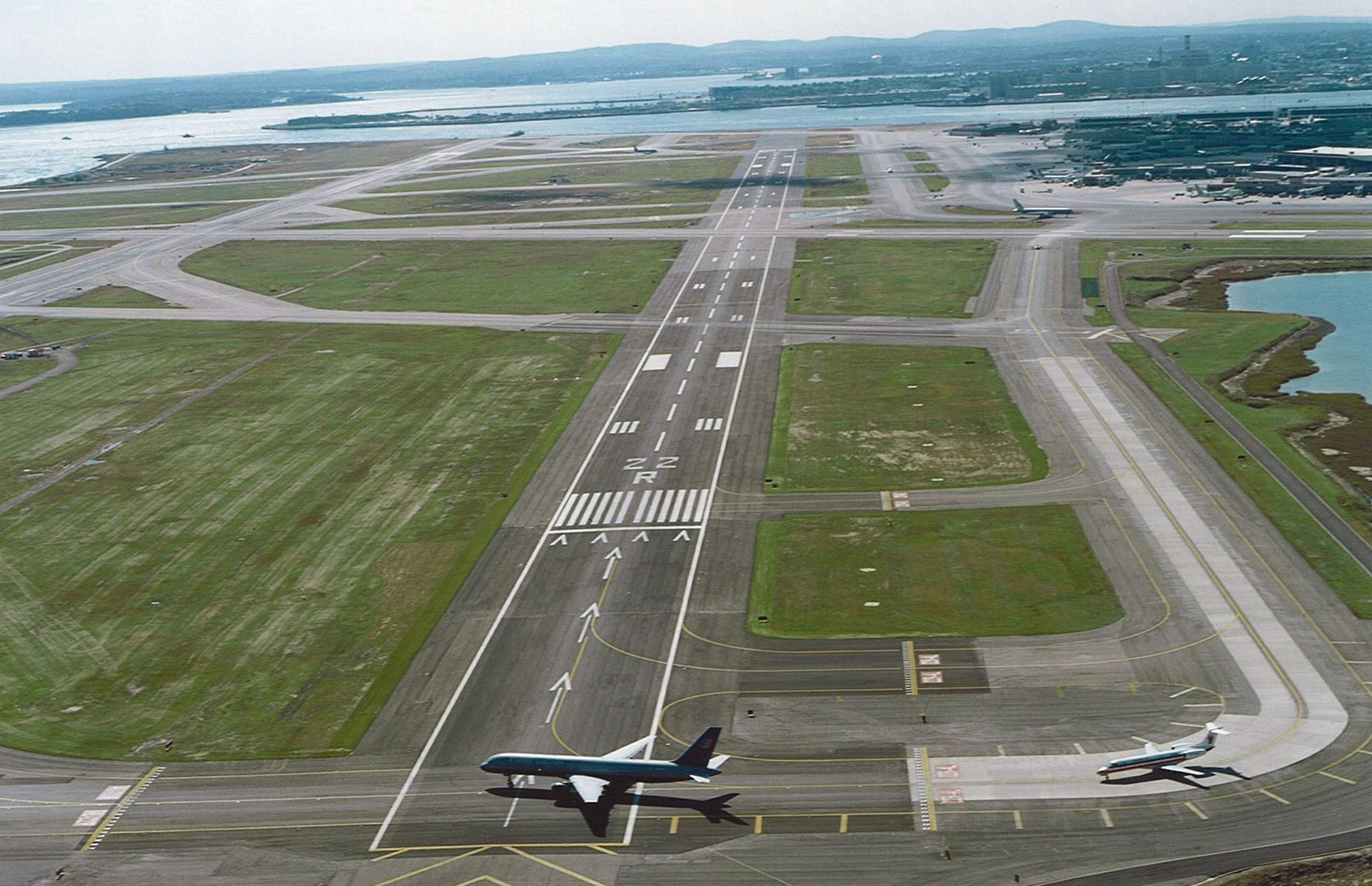
When you operate or manage an airport, an airstrip, or any facility that includes runways and taxiways, you face a unique exposure: the risks of runway incidents, on-airfield operations, and third-party liability. That’s where airport runway liability insurance comes into play — it’s insurance tailored to cover damage, injuries, and legal liability linked to runway operations.
Why is this so important? Runway incidents — such as an aircraft veering off pavement, a vehicle entering the runway area, foreign-object debris (FOD) damage on the runway surface, or a third-party injury on the runway — can trigger large claims. According to aviation-insurance sources, many “airside liability” policies explicitly include runways, taxiways and aprons.
In this article we’ll cover:
- What runway liability insurance covers and why airports need it
- Key exposures associated with the runway environment
- What to look for in a policy and how underwriting works
- Typical exclusions, premium drivers and pitfalls
- Legal counsel resources (lawyers/firms) who specialise in aviation/runway liability matters
- “You May Also Like” section for further reading
What Does Airport Runway Liability Insurance Cover?

At its core, runway liability insurance for airports covers the legal liability and associated costs arising from incidents on or around runways. Here are key components:
Physical damage and liability exposures
- Damage to runway infrastructure (pavement, lighting, signage) resulting from incidents.
- Third-party bodily injury or property damage arising from runway incidents (e.g., a vehicle incursion or FOD-related event).
- Liability for aircraft operators, ground vehicles, or airport operator negligence in runway operations.
According to a specialist provider: “If it is a risk that affects airports and ground-handling operations, we can include it: airport liability, airport service providers liability.”
Premises and operations liability
- General liability protections for airport premises including runway and adjacent areas. For example a coverage option: “Premises Liability, Products & Completed Operations Liability, Hangar-Keeper’s Legal Liability” for airports and FBOs.
- Liability for airports and fixed base operators (FBOs) with runway exposures.
Insurance programmes tailored for airports
Insurance firms list “Airport Owners Liability Insurance” or “Airport Liability Insurance” for operators and owners, covering bodily injury, property damage and legal expense for runways and related operations.
Key Risk Exposures on the Runway Environment
Operating runways involves a combination of high-value assets, dynamic operations and strict regulatory requirements. Here are some of the exposures you must account for:
- Runway excursions/incursions: Aircraft leaving the runway surface or vehicles/people inadvertently entering runway zones.
- Foreign object debris (FOD) and surface damage: Debris on runway surfaces, cracks or lighting failures that lead to damage or incidents.
- Aircraft and vehicle collisions or near-misses on runway/taxiway areas: Ground vehicles servicing aircraft may operate near the runway.
- Third-party injury or property damage: Visitors, contractors, ground staff, nearby property could be affected by runway incidents.
- Operational disruption / business interruption: If runway damage forces closure or limited use, the operator may face revenue loss and legal claims.
- Regulatory and compliance risk: Airports must adhere to safety standards. If a runway incident arises due to negligence (maintenance, lighting, markings), liability risk increases.
Given these exposures, runway liability insurance helps airport operators shift the financial and legal risk away from their balance sheet.
What to Look for When Selecting Airport Runway Liability Insurance
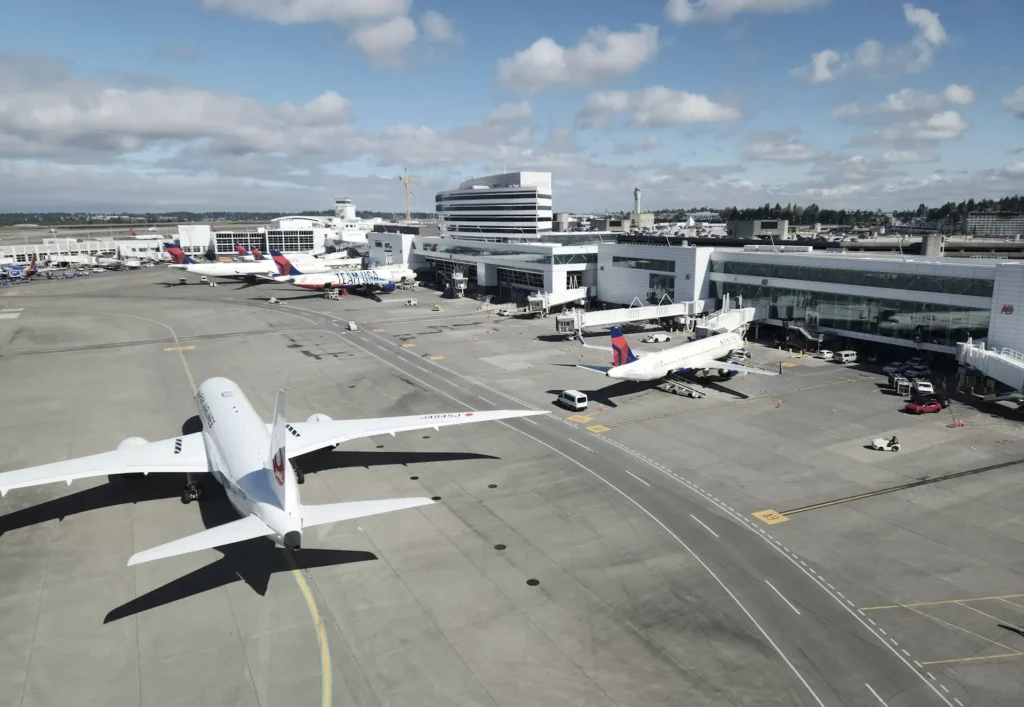
When choosing a policy, airport operators should review the following important factors:
Scope of coverage
Check that runway zones, taxiways and aprons are included explicitly. Some policies may cover “airside liability” but exclude runway operations unless endorsed. For instance a tailored policy might exclude “landing/take-off from non-approved runways” or operations outside defined zones. marsh.com+1
Policy limits, deductibles and tiers
Because runway incidents can entail large payouts (airport infrastructure, aircraft hulls, legal settlements, lost revenue), verify limits are adequate and deductibles manageable. Providers list limits up to USD 10 million for some airport premises liability.
Exclusions & conditions
Read carefully for exclusions such as:
- Use of unlicensed or non-approved runways.
- Lack of maintenance (lighting, pavement, FOD).
- Incidents arising from operations outside defined scope (e.g., heavy commercial when only GA covered).
- Business interruption components may be limited or excluded unless specifically endorsed.
Underwriting & premium drivers
Factors impacting premium: runway length/surface type, traffic volume, mix of aircraft, history of incidents, maintenance and inspection programmes, lighting/marking condition, ground-vehicle operations, safety management systems. Providers emphasise airport liability exposures as a specialist segment.
Claims handling and insurer expertise
Because runway liability claims often involve complex root causes (vehicle incursion, FOD, runway design, maintenance history), choose an insurer/broker with aviation and airport-operation expertise. For example, one provider says they tailor solutions for “small to mid-size airports … airport liability insurance for airports and ground-handling operations.”
Exclusions, Premium Drivers & Common Mistakes

Typical exclusions
- Landings/take-offs on non-approved or off-airport runways.
- Failure to maintain lighting/markings/pavement or FOD removal programme.
- Activities beyond what the policy defines (e.g., heavy commercial runway when only general aviation runway covered).
- Business interruption losses unless explicitly added.
Key premium drivers
- High volume of runway operations, mixed aircraft types.
- Poor runway condition, older infrastructure, inadequate lighting/markings.
- Ground-vehicle traffic close to runway, mixed use (airport + maintenance + rental + charter).
- History of runway or airside incidents.
Common pitfalls
- Assuming a standard airport general liability policy includes runway zone liability.
- Not tracking or documenting runway maintenance/inspections which may affect claims.
- Underestimating business interruption impact when runway is closed.
- Overlooking the need for runway-specific endorsements or airside liability clauses.
Legal Counsel & Specialist Firms for Airport Runway Liability & Aviation Insurance Matters
When you’re dealing with runway incidents or liability exposure, having experienced legal counsel is key. Here are some law firms in the U.S. specialising in aviation, airport and runway-/airside liability:
- Husch Blackwell LLP – Aviation Law Team: Their aviation team handles commercial/private aviation clients, airports, liability and insurance-coverage disputes.
- Dickinson Wright PLLC – Aviation Law Team: They represent airport sponsors, FBOs, aviation operations in liability and regulatory matters.
- Buchalter Nemer LLP – Aviation, Airports & Aerospace Industry Group: Offers regulatory, litigation and insurance-coverage counsel for airports and aviation entities.
You can visit their websites for consultations, tailored legal strategy and to understand how runway liability risks are addressed in litigation or in insurance disputes.
If you operate or manage an airport facility, ensuring you have airport runway liability insurance is not optional — it’s a crucial part of your risk-management strategy. With runway zones being high-risk areas, complex incidents, and high-value potential claims, you need coverage that is tailored, adequate and backed by a strong insurer and legal support.
Work with your broker to assess runway traffic, infrastructure condition, ground-vehicle operations, incident history and business interruption exposure. Review the policy wording, ensure runway zones are covered, and don’t overlook the legal counsel layer in case of serious liability claims.
By being proactive, you’ll safeguard your airport’s operations, finances and reputation.
📚 You May Also Like
💡Runway Insurance Providers USA: Who Offers It & What You Need to Know
Learn which USA-based attorneys provide the strongest legal representation and highest claim success rates this year.
🚗 Runway Insurance for Small Airports: What It Is and Why It Matters
Explore top-rated USA attorneys helping victims maximize compensation for vehicle damage and medical expenses.
⚖️ What Is Runway Insurance and Why It Matters
Discover the pros and cons of managing your car insurance claim independently versus hiring a legal expert.
2 thoughts on “Airport Runway Liability Insurance: A Critical Coverage for Airport Operators”