



Farm liability insurance for agritourism businesses is a critical safeguard for farmers across the USA who open their properties to the public for recreational and educational activities. As agritourism continues to grow in popularity, offering experiences like pumpkin patches, hayrides, farm tours, and pick-your-own produce, the need for comprehensive coverage becomes paramount. This type of insurance protects against potential lawsuits, injuries, and property damage that could arise from visitors on your farm. In this in-depth guide, we’ll explore everything you need to know about farm liability insurance for agritourism businesses, including risks, coverage options, costs, and expert legal resources to help you navigate this complex landscape.
What Is Agritourism and Why Is It Booming in the USA?
Agritourism, often referred to as agritainment, combines agriculture with tourism to create engaging experiences for visitors. In the United States, this sector has exploded in recent years, driven by consumers’ desire for authentic, farm-to-table connections and outdoor adventures. According to industry reports, agritourism generates billions in revenue annually, with farms in states like California, Texas, and New York leading the way. Activities can range from simple roadside stands selling fresh produce to elaborate setups including corn mazes, petting zoos, wedding venues, and even overnight stays in farm cabins.
The appeal is clear: Families seek wholesome outings, schools organize educational field trips, and tourists flock to rural areas for a taste of country life. However, this influx of visitors introduces new liabilities that traditional farm insurance might not cover. That’s where specialized farm liability insurance for agritourism businesses comes into play, ensuring your operation remains viable even if an accident occurs.
The Importance of Farm Liability Insurance for Agritourism Businesses

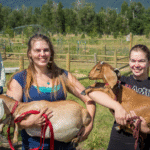
Opening your farm to the public transforms it from a private agricultural operation into a public venue, amplifying potential risks. Standard homeowners or basic farm policies often exclude coverage for commercial activities like agritourism. Without proper insurance, a single incident—such as a visitor slipping on a muddy path or getting injured during a hayride—could lead to devastating financial consequences, including medical bills, legal fees, and lost income.
Farm liability insurance for agritourism businesses provides a safety net by covering bodily injury, property damage, and other claims arising from your operations. It’s not just about protection; it’s about peace of mind. Many states require proof of insurance for certain agritourism activities, and lenders or event partners may demand it as well. By investing in this coverage, you’re not only complying with regulations but also enhancing your business’s credibility and attractiveness to customers.
Common Risks in Agritourism Operations
Agritourism inherently involves risks that go beyond traditional farming. Visitors, often unfamiliar with farm environments, can encounter hazards that lead to accidents. Understanding these risks is the first step in mitigating them and selecting the right insurance policy.
Physical Hazards on the Farm
Farms are full of uneven terrain, machinery, and natural elements that pose dangers. For instance, visitors might trip over roots in a pumpkin patch, fall from a ladder while picking apples, or get scratched by thorns in a berry field. Weather-related issues, like slippery paths after rain, add another layer of risk. Animals in petting zoos can bite or kick unexpectedly, especially if mishandled by excited children.
Activity-Specific Dangers
Popular agritourism activities carry their own perils. Hayrides, for example, involve tractors pulling wagons over rough ground, increasing the chance of passengers falling off. Corn mazes can lead to disorientation, particularly for young or elderly visitors. If your farm hosts events like festivals or weddings, crowd-related issues such as overcrowding or alcohol consumption (if served) could escalate liabilities.
Health and Safety Concerns
Food safety is a major issue if you’re offering samples, selling homemade goods, or operating a farm-to-table cafe. Contaminated produce could result in foodborne illness claims. Additionally, biosecurity risks—like spreading diseases between visitors and livestock—must be managed. The COVID-19 pandemic highlighted the need for health protocols, but ongoing concerns like allergies to hay or insect bites remain prevalent.
Legal and Financial Exposures
Beyond physical injuries, there’s the risk of property damage, such as a visitor’s car getting stuck in mud or damaged by farm equipment. Discrimination claims, advertising injuries (e.g., misleading promotions), or even cyber risks if you collect customer data online could arise. Inherent risks, like unpredictable animal behavior or natural weather events, are often cited in state agritourism liability statutes, but insurance helps cover what’s not exempted.
To manage these, many farms implement safety measures like clear signage, supervised activities, and emergency plans. However, even with precautions, accidents happen—making liability insurance indispensable.
Types of Coverage in Farm Liability Insurance for Agritourism
A tailored agritourism insurance policy typically includes several components to address the unique needs of your business. Here’s a breakdown of key coverages:
General Liability Insurance
This is the foundation, covering bodily injury and property damage to third parties. For example, if a visitor sues after twisting an ankle in your orchard, this coverage handles legal defense and settlements up to your policy limits.
Property Insurance
Protects your farm buildings, equipment, and inventory from perils like fire, theft, or storms. For agritourism, this might extend to seasonal structures like haunted barns or event tents.
Commercial Auto Insurance
If you use vehicles for hayrides or shuttling guests, standard auto policies won’t suffice. This covers accidents involving farm-owned vehicles used in business operations.
Product Liability
Essential if you sell farm products. It covers claims from defective or contaminated items, such as allergic reactions to homemade jams.
Additional Endorsements
Many policies offer add-ons like liquor liability (for farms serving alcohol), cyber liability, or employment practices liability (for staff-related claims). Agritainment-specific endorsements might cover hunting lodges or adventure activities.
Providers like Nationwide, Prime Insurance Company, and Farm Bureau specialize in these policies, offering customizable options for U.S. farms.
How to Choose the Right Farm Liability Insurance Policy
Selecting the best policy involves assessing your farm’s specific risks and operations. Start by conducting a thorough risk assessment: Walk your property as a visitor would, noting potential hazards. Consider your scale— a small U-pick berry farm needs different coverage than a large agritourism destination with multiple attractions.
Shop around with insurers experienced in agribusiness, such as Leavitt Group or Allen Financial Insurance Group. Compare quotes, but don’t skimp on limits; aim for at least $1 million in liability coverage. Look for policies that include risk management resources, like safety training or legal consultations.
Work with an independent agent who can bundle coverages and explain exclusions. For instance, some policies exclude certain high-risk activities unless endorsed. Finally, review your policy annually, as your business evolves—adding a new corn maze might require updates.
Costs of Farm Liability Insurance for Agritourism Businesses
The cost of farm liability insurance for agritourism varies widely based on factors like farm size, location, activities, and claims history. On average, small operations might pay $1,500 to $3,000 annually for basic coverage, while larger farms with extensive attractions could see premiums exceeding $10,000.Influencing factors include:
Farm Size and Revenue: Larger acreages or higher visitor numbers increase premiums.
Location: Farms in hurricane-prone areas like Florida or earthquake zones in California face higher rates.
Deductibles and Limits: Higher deductibles lower premiums, but ensure you can afford out-of-pocket costs.
Activities Offered: High-risk options like zip lines or animal interactions cost more than passive tours.
To save, bundle with other policies, maintain a clean safety record, and implement risk reductions like fencing or staff training. Some states offer grants or subsidies for agritourism safety improvements.
Legal Considerations and Consulting Agricultural Lawyers
Navigating the legal side of agritourism insurance is crucial, as state laws vary on liability protections. Many states have agritourism statutes limiting operator liability for inherent risks, but these don’t eliminate the need for insurance. Disputes over claims, policy interpretations, or regulatory compliance often require expert legal advice.
For specialized guidance, consider consulting agricultural lawyers who understand agribusiness and insurance intricacies. Here are a few reputable professionals and firms in the USA:
Alston & Bird’s Agricultural Lawyers: Specializing in protecting intellectual property and defending in government litigation related to agriculture and agribusiness. Visit their website at https://www.alston.com/en/services/industries/food-beverage-agribusiness/food-beverage/agriculture-agribusiness for more details.
Farm.Lawyer Attorneys: They assist producers and agribusinesses with business, real estate, labor, employment, and insurance disputes. Their site is https://farm.lawyer/.
Lynn Law Firm: Focused on farm, agriculture, and agribusiness claims, representing farmers in insurance and liability matters. Check out https://lynnlaw.com/practices/farm-agriculture-agribusiness-claims/.
Hall Booth Smith Agribusiness Lawyers: Providing legal counsel and litigation support for farmers and the food industry. Their practice page is at https://hallboothsmith.com/services/agribusiness-food/.
These experts can help draft liability waivers, review insurance policies, or represent you in court if a claim escalates. Always consult a lawyer licensed in your state for personalized advice.
Tips for Effective Risk Management in Agritourism
Beyond insurance, proactive risk management minimizes claims and keeps premiums low. Here are practical strategies:
Conduct Regular Safety Audits: Inspect facilities seasonally, fixing hazards like loose boards or poor lighting.
Use Liability Waivers: Have guests sign waivers acknowledging inherent risks, though they’re not foolproof.
Train Staff Thoroughly: Ensure employees know emergency procedures and how to supervise activities.
Post Clear Signage: Warn of dangers with signs like “Watch Your Step” or “Animals May Bite.”
Maintain Records: Document safety measures, training, and incidents to support insurance claims.
Case Studies: Real-World Examples of Agritourism Insurance in Action
To illustrate the value, consider a California farm hosting pumpkin festivals. When a child fell from a hay bale pyramid, their liability insurance covered medical costs and a settlement, preventing bankruptcy. In another case, a Texas ranch with hunting tours faced a property damage claim from a guest’s vehicle; coverage handled repairs and legal fees.
The Future of Agritourism Insurance in the USA
As agritourism evolves, so does insurance. Emerging trends include coverage for eco-tourism, drone usage, and virtual experiences. Climate change impacts, like increased storm risks, may drive premium adjustments. Staying informed through industry groups like the North American Farmers’ Direct Marketing Association can help.
Secure Your Agritourism Future Today
Farm liability insurance for agritourism businesses isn’t optional—it’s essential for thriving in the competitive U.S. market. By understanding risks, selecting robust coverage, managing hazards, and seeking legal expertise, you can protect your livelihood while delighting visitors. Contact a trusted insurer today to get a quote tailored to your farm.
📚 You May Also Like
💡Workers Compensation for Seasonal Farm Laborers in the USA: 2025 Complete Guide
Learn which USA-based attorneys provide the strongest legal representation and highest claim success rates this year.
🚗Best Agricultural Insurance for Organic Farms in the USA: 2025 Expert Guide
Explore top-rated USA attorneys helping victims maximize compensation for Agricultural damage and medical expenses.
⚖️ Does Crop Insurance Cover Flood Risks in Midwest? The Complete 2025 USA Guide
Discover the pros and cons of managing your car insurance claim independently versus hiring a legal expert.
🔥Cheap Equipment Insurance for Harvest Season: Protect Your U.S. Farm Machinery Without Breaking the Bank
See how US ranks and what factors drive up insurance rates across the country.